The question “which beef should I buy?” becomes far more useful when reversed: what am I planning to cook? Beef is not a uniform ingredient. Every muscle performed a different job in the animal, so its muscle fibres, fat and connective tissue differ. That structure determines how the cut responds to heat.
A naturally tender cut can be excellent after a short, dry-heat cook. A collagen-rich working muscle can be firm when treated like a steak yet become succulent after slow cooking. Understanding that logic helps you shop more intelligently, make use of less fashionable cuts and move beyond the assumption that only expensive cuts are “good”.
The main rule: match the cooking method to the muscle
As a broad principle, muscles that did less work tend to be more tender and suit high heat for a short time: pan-searing, grilling or brief roasting. Locomotion and support muscles commonly contain more connective tissue and benefit from time, controlled heat and often moisture. It is not an absolute division, but it is an excellent starting point.
Thickness, grain direction, ageing, intramuscular fat and final internal temperature also matter. Two pieces carrying the same retail name may therefore behave slightly differently. Traditional butchery has always combined anatomy with cooking knowledge.
Tenderloin: tenderness and short cooking
Tenderloin comes from a muscle that performs relatively little work. Its defining advantage is tenderness rather than abundant connective tissue. It works well as medallions, whole roasts and fast-cooked portions. Because it is already tender, it does not require a long cook to become soft. Extending the cooking unnecessarily can simply reduce juiciness.
For pan cooking, a hot surface develops browning without keeping the centre under heat for too long. Thick pieces can be finished more gently. Resting afterwards helps the temperature stabilise and makes slicing easier.
Loin, rib and steak cuts: made for dry heat
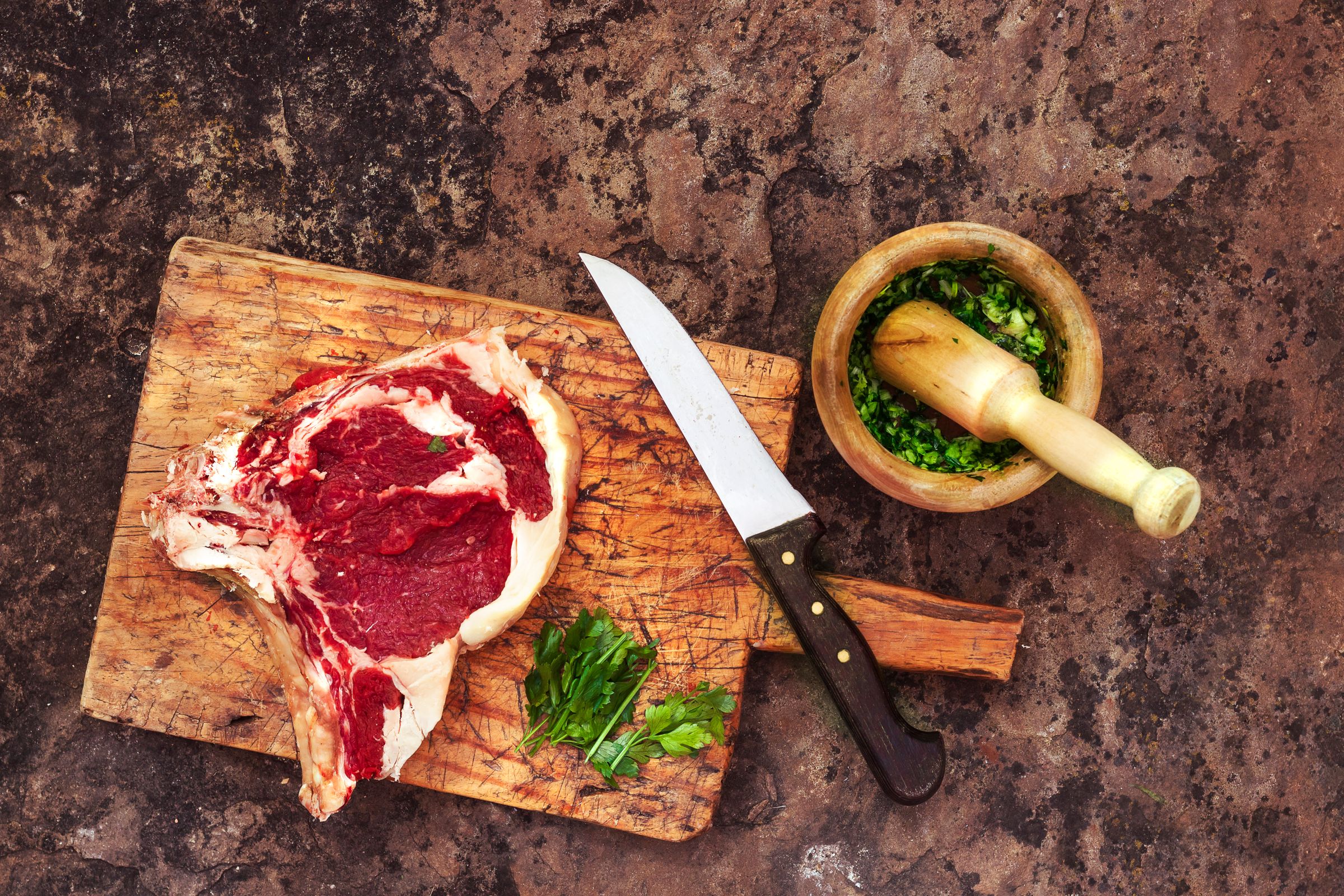
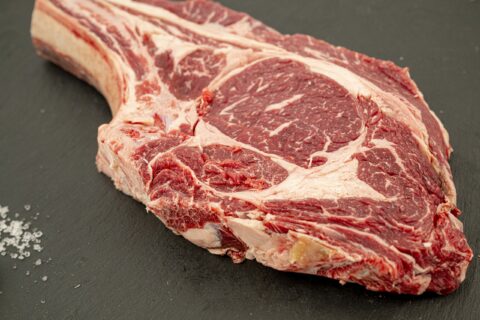
Steaks from the loin and rib areas are valued for their combination of tenderness, beef flavour and, depending on the piece, marbling. Spanish terms such as entrecot and chuletón do not map perfectly onto every English-speaking butchery system, but the cooking logic is similar: these are cuts that generally suit grilling, griddling or pan-searing.
With thick steaks, the challenge is not merely reaching a target centre temperature. You want good browning while avoiding an unnecessarily wide overcooked band beneath the crust. A thin steak and a several-centimetre-thick steak therefore should not be cooked by exactly the same timetable.
Rump and other versatile slicing cuts
The hindquarter contains cuts that can offer a strong balance of tenderness and flavour. Depending on the exact muscle, they can be sliced into steaks, roasted or cut thinly for quick preparations. Slicing across the grain becomes particularly important: physically shortening the muscle fibres makes each bite easier to chew.
Very thin steaks need extremely brief cooking because every extra second affects a larger proportion of the meat. That is why a thin piece can go from juicy to dry far faster than a thick steak.
Lean round cuts: strategy matters
Many muscles from the rear leg are relatively lean and have done considerable work. Some are sold as steaks; others are better roasted, braised, sliced for sauces or cooked and served cold. The mistake is treating every lean cut as if it were loin. A low-fat cut has less internal fat to buffer excessive cooking.
For a uniform roast, careful temperature control can preserve juiciness before the meat is sliced. The same cut may also work in a moist preparation. The correct technique depends on both anatomy and the final result you want.
Chuck and shoulder: flavour with several possibilities
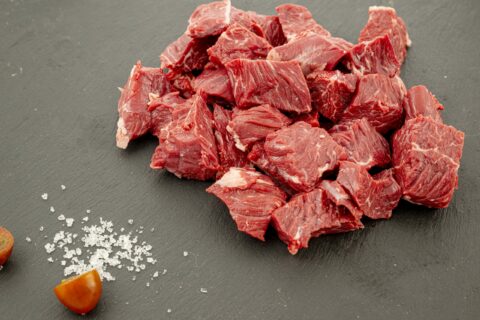
The front of the animal contains muscles with very different characteristics. Some are surprisingly tender, while others are rich in connective tissue. As a result, shoulder and chuck cuts can appear as steaks, roasting joints, stew meat and slow-cooking pieces. Price alone tells you very little about their culinary potential.
Front-quarter cuts are particularly valuable for flavourful, comforting dishes. The collagen that can make them firm during a short cook becomes an advantage once enough time is available.
Shank and osso buco: where slow cooking makes sense
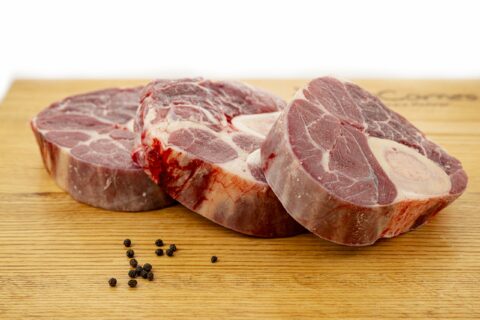
Shank muscles are highly active and rich in connective tissue. Osso buco is a cross-cut presentation of the shank that includes the marrow bone. These cuts illustrate why raw tenderness is not the only form of culinary value.
During prolonged moist cooking, collagen softens and contributes to the body of the cooking liquid. Meat that began firm becomes much easier to separate. Simply turning the heat up is not an exact shortcut. Time is part of the transformation.
Brisket, flank and cuts with obvious grain
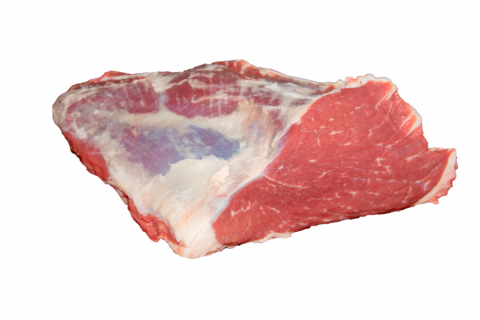
Chest and abdominal areas contain structures that respond to specific techniques. Some preparations use long cooking; others rely on thinner pieces, marinades or careful slicing. The direction of the knife at service can have a major effect. A slice cut parallel to long fibres leaves your teeth to shorten them; a slice cut across the grain arrives on the plate with much shorter fibres.
Ground beef: structure becomes a functional mixture
With ground beef, muscle structure is mechanically broken down, so composition, fat level, freshness and intended use become especially important. A burger benefits from enough fat to support juiciness and flavour, whereas some sauces and fillings may suit a leaner mixture. Ground meat also requires particularly careful hygienic handling and appropriate cooking.
One product in our current Tolecarnes selection, for example, is described as 100% natural beef with no additives. Specific information like that is far more useful than a vague marketing label because it tells you what is actually going into the recipe.
Choosing by dish rather than prestige
For a quick sear, choose a naturally tender cut and a thickness suited to short cooking. For grilling, tenderness, thickness and fat distribution all matter. For roasting, shape and size influence how evenly the centre cooks. For stews and braises, connective-tissue-rich cuts can give exceptional results when given sufficient time.
The important idea is to stop dividing beef into “good meat” and “stewing meat”. Every cut has a culinary job it is better equipped to perform. A tenderloin cooked for three hours wastes much of what you paid for; a shank cooked like a minute steak never receives the transformation it needs.
Before buying, check weight, format and preparation
When ordering beef online, the cut name is only part of the decision. Check approximate weight, number of pieces, whether the meat arrives whole or sliced, stated thickness where available and storage instructions. With mixed boxes, it helps to plan which pieces you will cook first and which can be frozen.
The Tolecarnes selection covers different cooking needs, from ground beef and steaks to larger pieces and mixed packs. The best starting point is not automatically the most expensive product: it is the product whose structure matches the recipe.
Beef to put this guide into practice
-
Sale!
 Select options
This product has multiple variants. The options may be chosen on the product page
Select options
This product has multiple variants. The options may be chosen on the product page


Reference sources: Beef Research technical literature on muscle structure, connective tissue and tenderness, together with University of Minnesota Extension material on beef cuts and cooking methods. Retail cut names vary between countries, regions and butchery systems.

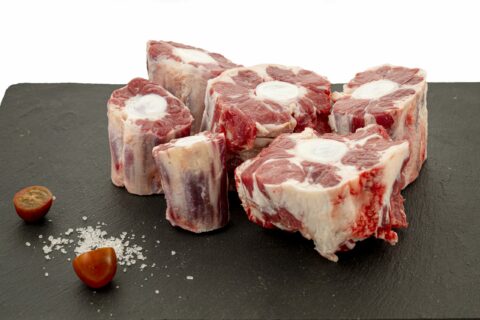
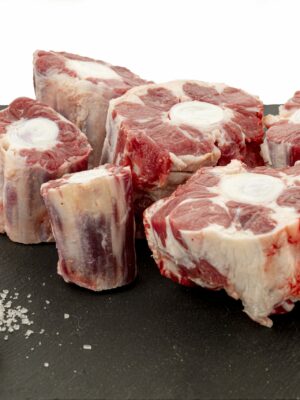 Oxtail
 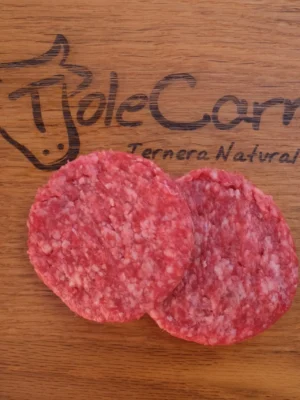 100% beef burgers – gluten-free (2)